Skip to content Skip to footer
March 5–6 . International Online Conference

“Stop Bullying”
How to Understand, Support, and Protect

A two-day conference on bullying for adults who are close to children.
Understanding, practical tools, and real action — without fear-based messaging or blame.

Why are we talking about this

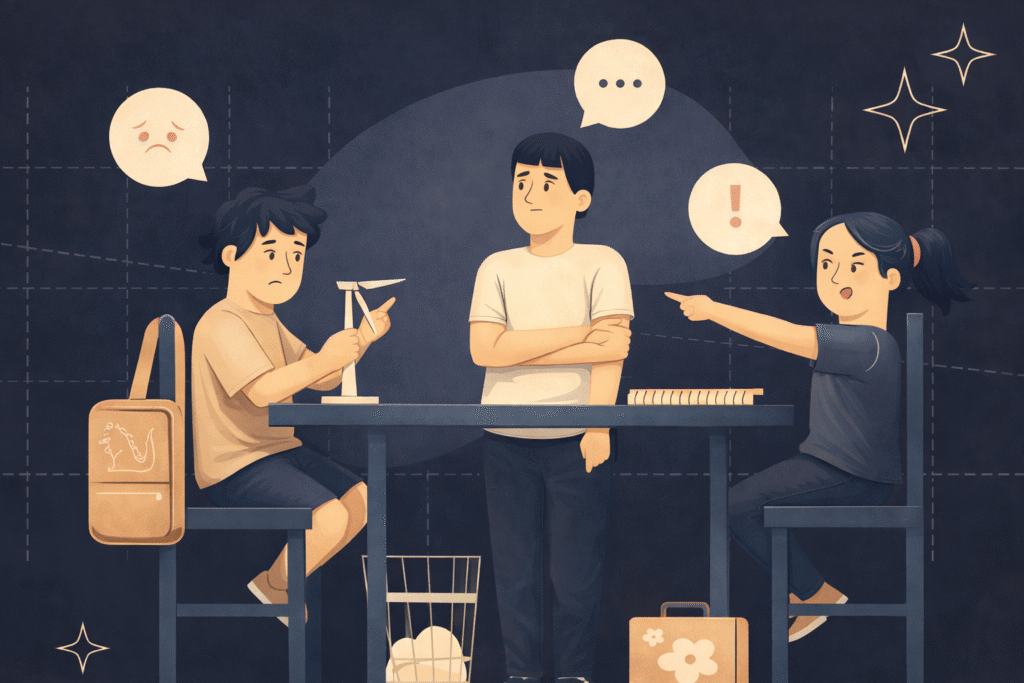
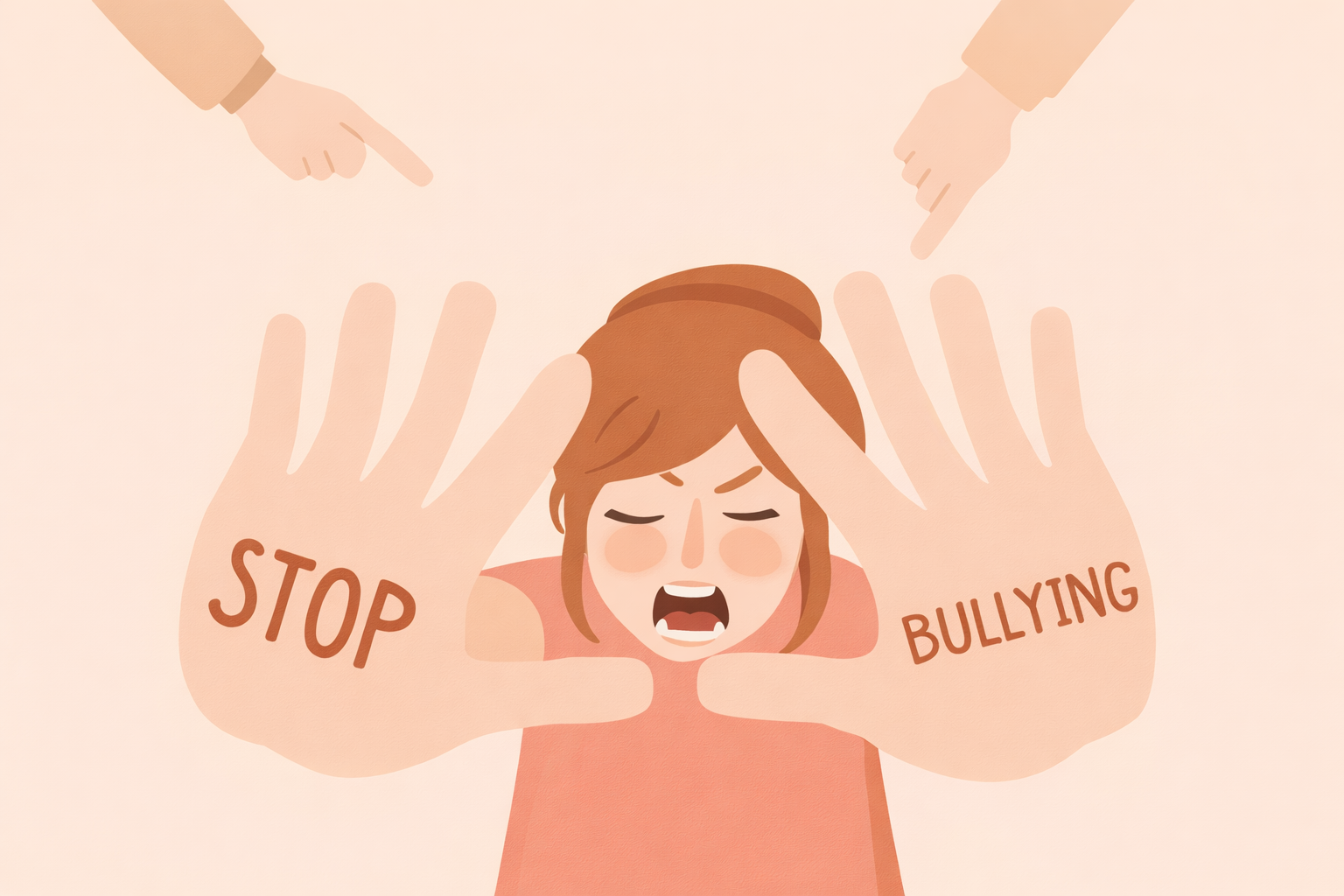
Bullying is not a conflict or a stage of growing up. It is systemic violence that can and must be stopped.

Bullying affects children’s emotional well-being, family atmosphere, academic performance, self-esteem and even a child’s future, so talking about it today is more important than ever.

Stop Bulling!

Our tools are both for parents and for specialists and helping practitioners working with children. The conference format brings together many speakers – psychologists, teachers, social workers and practitioners. We look at the problem of bullying from different angles: through the eyes of the child, parent, school and professionals.

This conference is for you if you're...

👨‍👩‍👧 Parent who:

  • feels there’s “something wrong” with the child.

  • afraid of missing alarm bells

  • doesn’t understand where the line between conflict and bullying lies.

  • wants to protect but not harm

🎓 A specialist who:

  • works with children and adolescents

  • faces aggression, isolation, bullying

  • Seeks modern and ethical ways of working

  • wants to build on practice rather than templates

What can bullying lead to?

Decreased self-esteem

The person begins to doubt his or her worth, feels “different”, worse than others.

Social anxiety

There is tension in communication, fear of evaluation, shame and awkwardness in social situations.

Emotional exhaustion and depressive states

Mood and energy decreases, and interest in things that used to be important is lost.

Distorted self-perception

Strengths and positive attributes are no longer felt or realized.

Social isolation

The person gradually distances himself from his surroundings, closes himself off, avoids contacts.

Suicidal behavior

There may be heavy thoughts about their own life and future that require the attention and support of adults and professionals.

Bullying affects everyone involved

It changes group norms and adult behavior. Understanding the dynamics is the first step to stopping.

If only I were different, everyone would be friends with me.
I guess everyone’s against me
I’m no good at anything
It’s not fair when it’s all against one
Serves me right, it’s my own fault
I’ll never find friends
I had nothing to do with it!
Let them sort it out for themselves
If I interfere, it’ll be worse
It’s a good thing they’re poisoning him and not me.
We’re not doing anything wrong
I’d better stay out of it, or they’ll start poisoning me, too.
He asked for it!
We’re not poisoning him, we just don’t like him.
We don’t mean it, it’s just a game.
He who is stronger is right
We’re just kidding around
He’s not like us! Which means we’re allowed!

What you’ll get

Understanding

How to distinguish between conflict and bullying and how to take action
Зарегистрироваться

Tools

Clear steps, wording and algorithms for support
Иду на конференцию!

Systemic view

The role of the group, school and adults
Участвовать
16:00 – 16:15

Opening of the Conference

Olga Kontsevaya

16:15 – 17:20

Preventing and dealing with bullying in the school system in Israel

Anna Wolf

About interacting with the school system in Israel: how the school is obliged to respond to bullying and what is important for parents to pay attention to.
17:20 – 18:30

The ABCs of bullying, practical advice for parents

Thea Gavtadze

Bullying as a group dynamic: why the whole environment is always involved and how adults can stop the process.
18:30 – 19:30

Strategies of a parent of a neurodiverse child in a bullying situation

Valerie Wasserman

Strategies for supporting a neurotic child in a bullying situation: how a parent can become an external regulator, reduce CNS overload, and build real steps of defense.
19:30 – 20:35

Parent under fire: how to defend boundaries and protect the child's interests

Alexa Zemlianov

Parental chat rooms as a source of cyberbullying and pressure: how to recognize hidden forms of abuse, build boundaries and maintain family resilience.
20:35

Answers to questions

Olga Kontsevaya

9:00 – 9:10

Opening of the 2nd day of the Conference

Olga Kontsevaya

9:10 – 10:15

Conflict, aggression, violence - when is it time to intervene? What if my child is the aggressor?

Natalia Rozhdestvenskaya

Differences between conflict, aggression and violence: why adults need to clearly understand them in order to stop bullying in time.
10:15 – 11:15

Bullying Prevention. How to protect your child

Anna Menshchikova

Bullying prevention through emotional intelligence development: how to reduce a child’s vulnerability and protect them without pressure and intimidation.
11:30 – 12:30

How humor differs from sarcasm and verbal aggression

Sonia Rait

The limits of humor, sarcasm, and verbal aggression: how to explain the difference to a teenager and not devalue their experience.
12:35 – 13:35

Modern technologies and ways of defense in cyberbullying situations

Daniel Holstein

13:35 – 14:00

Answers to questions

Olga Kontsevaya

Our speakers

Anna Menshikova
Consultant in parent–child relationships with a background in psychology and education in her country of origin.
Over 10 years of experience working with children and their parents.

Valeria Wasserman
Neuropsychologist. Works with the child’s brain through movement.
Specialist in parent–child relationships.

Anna Wolf
Child and family psychologist, Gestalt therapist,
Educational psychologist in the Israeli school system.

Natalia Rozhdestvenskaya
Consultant in parent–child relationships,
Family and crisis counselor, psychotherapist
(client-centered approach).

Sonya Wright
Stand-up trainer and public speaking coach.

Alexandra Zemlyanov
Specialist in parent–child relationships.
Case manager in crisis situations.

Taea Gavtadze
Psychologist (Bachelor’s degree), Master’s degree in Theology (country of origin),
Early childhood development specialist, consultant in parent–child relationships, and Hibuki therapist.

Olga Kontseva
Consultant in parent–child relationships.
Manager of educational projects.

Daniel Goldstein
Consultant and specialist in the field of education and prevention of violence among teenagers

Join the STOP BULLING conference.

Two days of clarity, support and practical advice

Online participation + access to recordings for 3 months
Cost of participation: 36 shek

After payment🎁 gift – a bonus lesson about trust

Go to Top